


Adventure Travel
Discover the breathtaking landscapes of northern Vietnam on two wheels. Explore the best cycling routes, local experiences, essential tips, and everything you need to plan an unforgettable Ha Giang Loop adventure.
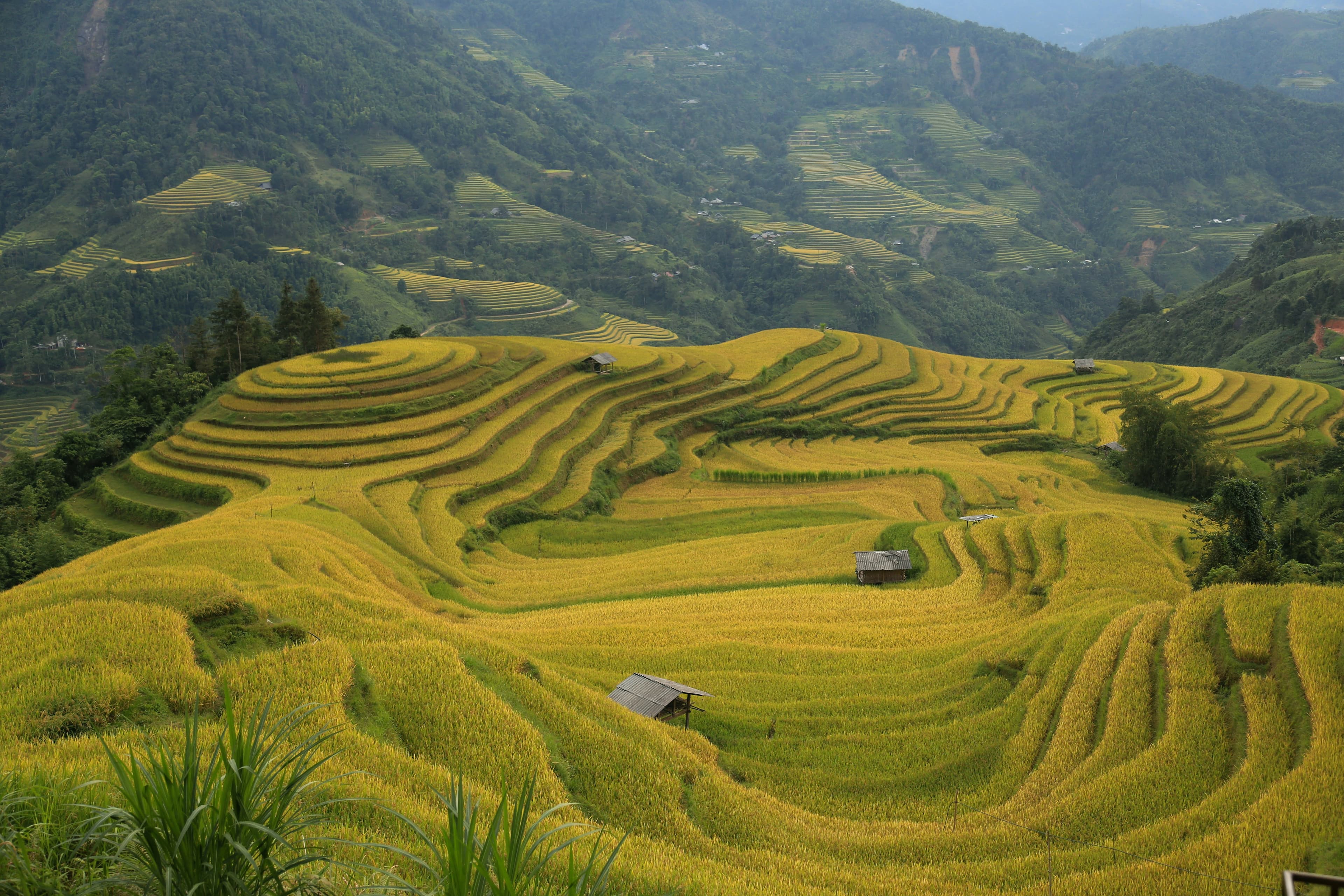
The Ha Giang Loop is one of the most spectacular adventures in northern Vietnam. Famous for its dramatic mountain landscapes, winding roads, traditional villages, and breathtaking viewpoints, this journey offers an unforgettable way to explore the country's northernmost region.
While many travelers choose to explore the loop by motorbike, cycling offers a completely different experience. You can take your time, enjoy the fresh mountain air, connect with local communities, and appreciate the scenery at a slower pace.
However, cycling the Ha Giang Loop is not an easy challenge. Steep mountain passes, unpredictable weather, and long distances require good preparation and a reasonable level of physical fitness.
Whether you are an experienced cyclist or an adventurous traveler looking for a unique journey, this guide covers everything you need to know about cycling the Ha Giang Loop, including the recommended route, highlights, preparation tips, and practical advice.
Located in Ha Giang Province in northern Vietnam, the Ha Giang Loop is a circular route through some of the country's most impressive mountain landscapes.
Cycling allows you to experience the region beyond the usual tourist stops. Instead of rushing from one destination to another, you can stop whenever something catches your attention.
Here are some reasons why cycling the loop is worth considering:
Spectacular scenery: Ride through limestone mountains, deep valleys, terraced rice fields, and winding mountain roads.
Cultural experiences: Discover traditional villages and learn about the daily lives of ethnic communities, including the Hmong, Tay, and Dao people.
A sense of achievement: Climbing challenging mountain passes makes reaching each destination especially rewarding.
A slower travel experience: Enjoy peaceful moments, take photographs, and explore places that larger tour groups might overlook.
Local connections: Meet residents, visit family-run homestays, and experience the region's warm hospitality.
Unlike traveling by motorbike, cycling gives you more time to appreciate the small details of the journey.
Weather plays an important role in your cycling experience. The mountainous terrain can become challenging when roads are wet, visibility is poor, or temperatures are low.
The best time to visit generally depends on the type of scenery and weather you prefer.
| Season | Months | What to Expect |
|---|---|---|
| Spring | March – April | Pleasant temperatures, blooming flowers, and green mountain scenery. |
| Summer | May – August | Lush landscapes and rice-growing season, but frequent rain and possible landslides. |
| Autumn | September – October | Beautiful golden rice terraces and generally favorable conditions for outdoor activities. |
| Winter | November – February | Cool temperatures, misty mountain views, and occasional cold spells. |
Our recommendation: September to October is an excellent period for cycling, especially if you want to see the rice terraces at their most beautiful.
Keep in mind that mountain weather can change quickly. Always check the forecast before starting each stage of your journey.
The traditional Ha Giang Loop usually starts and ends in Ha Giang City. The route passes through several famous destinations, including Quan Ba, Yen Minh, Dong Van, and Meo Vac.
For cyclists, we recommend allowing 7–8 days rather than rushing through the journey. This gives you more time to handle steep climbs, recover between stages, and explore local attractions.
| Day | Route | Approx. Distance | Highlights |
|---|---|---|---|
| Day 1 | Ha Giang City – Quan Ba | 50 km | Bac Sum Pass, Heaven's Gate |
| Day 2 | Quan Ba – Yen Minh | 45 km | Twin Mountains, mountain valleys |
| Day 3 | Yen Minh – Dong Van | 45 km | Rocky Plateau, traditional villages |
| Day 4 | Dong Van – Meo Vac | 25–30 km | Ma Pi Leng Pass, Nho Que River |
| Day 5 | Meo Vac – Du Gia | 70–80 km | Remote mountain roads, rural landscapes |
| Day 6 | Du Gia – Ha Giang City | 70–80 km | Waterfalls, peaceful villages |
| Days 7–8 | Optional rest and exploration | Flexible | Additional sightseeing and recovery |
Distances are approximate and depend on your chosen roads, accommodation, and sightseeing stops. Some stages are particularly demanding due to steep climbs and road conditions. Consider splitting the longer stages or adding extra days.
Your adventure begins in Ha Giang City, where you can prepare your bicycle, organize your luggage, and start heading into the mountains.
One of the first major challenges is Bac Sum Pass, a winding mountain road with impressive views along the way.
Your destination is Quan Ba, famous for its dramatic limestone scenery and the iconic Heaven's Gate viewpoint.
Things to see:
Bac Sum Pass
Quan Ba Heaven's Gate
Quan Ba Twin Mountains
Take your time on the climbs and remember to stay hydrated.
Continue through beautiful mountain valleys toward Yen Minh.
This section features a mixture of uphill and downhill riding, with quiet roads and spectacular views of the surrounding limestone mountains.
You will also pass small villages where local residents continue their traditional ways of life.
Travel tip: Stop at local cafés or roadside viewpoints to rest and enjoy the scenery. These small breaks can make a long cycling day much more enjoyable.
Today's ride takes you deeper into the Dong Van Karst Plateau Geopark, an area known for its distinctive limestone formations and rugged landscapes.
The scenery becomes increasingly dramatic as you approach Dong Van.
Once you arrive, spend some time exploring Dong Van Old Quarter, where traditional architecture, local food, and historic buildings create a unique atmosphere.
Things to experience:
Dong Van Karst Plateau Geopark
Traditional Hmong villages
Dong Van Old Quarter
Local markets and regional cuisine
This is arguably the most memorable stage of the entire journey.
Ma Pi Leng Pass is one of Vietnam's most famous mountain passes, offering spectacular views of steep cliffs and the winding Nho Que River below.
Although the distance is relatively short, the terrain can be challenging. Take your time, especially on steep sections and narrow roads.
Must-see highlights:
Ma Pi Leng Pass
Nho Que River
Tu San Canyon
Panoramic mountain viewpoints
If you have enough time and conditions allow, consider visiting the Nho Que River by boat.
The views from Ma Pi Leng Pass are unforgettable. Sometimes, the best part of the journey is simply stopping, looking around, and appreciating the mountains.
This is one of the more physically demanding sections of the loop.
The route takes you through remote mountain roads, quiet villages, and beautiful countryside.
Expect challenging climbs and long stretches between settlements. Make sure you carry enough water, snacks, and essential supplies.
After arriving in Du Gia, relax at a local homestay and enjoy the peaceful atmosphere of the village.
On your final cycling stage, make your way back to Ha Giang City.
Depending on your selected route, you may encounter additional mountain climbs and winding roads.
Take breaks whenever necessary and avoid rushing, especially if you are tired.
Once you arrive in Ha Giang City, celebrate completing your adventure!
Proper preparation can make a significant difference to your safety and overall experience.
Here are some important things to consider before setting off.
The roads around Ha Giang include steep mountain climbs, uneven surfaces, and long downhill sections.
A suitable bicycle should have:
Reliable brakes, preferably disc brakes.
Appropriate gearing for steep climbs.
Comfortable handlebars and saddle.
Durable tires suitable for mixed road conditions.
A properly functioning drivetrain.
A touring bike, gravel bike, or mountain bike can be suitable depending on your route and riding experience.
You do not need to be a professional cyclist, but a reasonable level of fitness is essential.
Before your trip, consider:
Practicing longer rides to build endurance.
Training on hills to improve climbing ability.
Learning how to manage your energy during long rides.
Practicing controlled downhill riding.
Taking rest days when necessary.
If you are not accustomed to mountainous cycling, consider adding extra days to your itinerary.
Avoid carrying unnecessary luggage. A lighter bicycle is easier to control, especially on steep climbs.
Here is a practical packing checklist:
| Category | Recommended Items |
|---|---|
| Clothing | Cycling jerseys, padded shorts, lightweight jacket |
| Safety | Helmet, gloves, sunglasses, reflective clothing |
| Repair Kit | Spare tubes, tire levers, mini pump, multi-tool |
| Electronics | Phone, power bank, charging cables |
| Personal Items | Sunscreen, insect repellent, basic first-aid kit |
| Hydration | Water bottles, electrolyte supplements |
| Documents | Passport, travel insurance information, emergency contacts |
Consider carrying a waterproof bag to protect your belongings from sudden rain.
Safety should always be your priority, especially when riding through unfamiliar mountain roads.
Keep these important tips in mind:
Wear a helmet: Always wear a properly fitted helmet, regardless of the distance.
Control your speed: Avoid excessive speed on downhill sections, particularly around sharp corners.
Watch for traffic: Roads are shared with motorbikes, cars, buses, and trucks. Stay visible and ride predictably.
Avoid cycling at night: Poor lighting, unexpected obstacles, and limited visibility make night riding dangerous.
Check weather conditions: Heavy rain and fog can make mountain roads particularly hazardous.
Stay hydrated: Drink water regularly, even when the weather feels cool.
Do not push beyond your limits: Stop and rest if you feel exhausted.
Important: Some mountain roads are narrow and have limited safety barriers. If visibility is poor or road conditions become unsafe, postpone your ride rather than taking unnecessary risks.
One of the best parts of cycling the Ha Giang Loop is experiencing local hospitality.
Most major stops offer a variety of accommodation options, from simple guesthouses to traditional homestays.
| Destination | Accommodation Options |
|---|---|
| Ha Giang City | Hotels, hostels, guesthouses |
| Quan Ba | Local homestays, guesthouses |
| Yen Minh | Family-run homestays, hotels |
| Dong Van | Hotels, traditional homestays |
| Meo Vac | Guesthouses, local homestays |
| Du Gia | Village homestays, eco-lodges |
Booking accommodation in advance is recommended during busy travel periods.
Don't miss the opportunity to try local dishes during your journey.
Some popular regional specialties include:
Thang Co: A traditional dish associated with Hmong cuisine.
Men Men: Steamed cornmeal, a familiar food in local mountain communities.
Buckwheat Cake: A regional specialty made from buckwheat flour.
Au Tau Porridge: A distinctive local porridge traditionally prepared with au tau tubers.
Local Noodles: A comforting meal after a long day of cycling.
Food availability varies between villages, so carry some snacks in case you cannot find a restaurant along your route.
Your total budget depends on your accommodation preferences, bicycle rental arrangements, food choices, and travel duration.
The following table provides a general estimate for one traveler on a 7–8-day trip.
| Expense | Estimated Cost (USD) |
|---|---|
| Bicycle rental | $10–25 per day |
| Accommodation | $8–25 per night |
| Meals and drinks | $10–20 per day |
| Fuel or local transportation | $5–15 |
| Entrance fees and activities | $10–25 |
| Miscellaneous expenses | $20–40 |
Estimated total: $250–450 per person.
These figures are indicative planning estimates, not live prices. Your actual expenses may vary depending on the season, rental arrangements, accommodation type, and activities.
Remember to set aside some extra money for unexpected repairs or emergencies.
The route can be challenging for beginners because of its steep climbs, long distances, and changing road conditions. If you are new to cycling, build up your fitness first and consider joining a guided cycling tour with support.
We recommend 7–8 days for a more comfortable experience. Experienced cyclists may complete the route faster, but allowing extra time makes the journey safer and more enjoyable.
Bicycle rental options may be more limited than motorbike rentals. Contact local tour operators or accommodation providers in advance to confirm bicycle availability, suitable sizes, and equipment.
A guide is not essential for every cyclist, but it can be helpful if you are unfamiliar with the area. A local guide can assist with navigation, accommodation, cultural experiences, and unexpected situations.
Solo cycling is possible, but it requires careful planning and preparation. Share your itinerary with someone, keep emergency contacts available, and consider a support vehicle if you are unfamiliar with remote mountain cycling.
Absolutely! Cycling the Ha Giang Loop is more than just a physical challenge. It is an opportunity to experience northern Vietnam's incredible landscapes, discover local cultures, and create unforgettable memories.
From the winding roads of Bac Sum Pass to the breathtaking views of Ma Pi Leng, every stage offers something special.
The journey may be demanding, but that is also what makes it rewarding.
Prepare carefully, respect local communities, ride responsibly, and give yourself enough time to enjoy every moment.
The Ha Giang Loop is not simply a destination to reach. It is an adventure to experience, one pedal at a time.
Travel responsibly: Road conditions, weather, accommodation availability, and local travel requirements can change. Check the latest information before departure and follow local safety guidance.


